Atlanta, Georgia, USA

Your Independent Guide to the Georgia Aquarium

Discover insider tips, exhibit guides, and expert advice for planning your perfect visit to the largest aquarium in the Western Hemisphere.

10+ In-Depth Articles

Exploring the Wonders of the Georgia Aquarium

Located in downtown Atlanta, the Georgia Aquarium is a beacon of marine conservation and education, housing tens of thousands of animals in millions of gallons of water. As the largest aquarium in the Western Hemisphere, it offers an unparalleled journey through diverse aquatic ecosystems. This independent guide provides comprehensive visitor information to help you navigate its vast exhibits and make the most of your experience.

Opened 2005
Water Volume 11 Million Gal
Species 500+
Annual Visitors ~2.5 Million

In-Depth Visitor Articles

Expert guides and insider knowledge to help you plan the perfect Georgia Aquarium adventure.

Georgia Aquarium interior

The Vision Behind the Georgia Aquarium: A History

From its visionary inception to becoming a global leader in marine conservation...

The Georgia Aquarium, a monumental gift to the state of Georgia from Bernie Marcus, co-founder of The Home Depot, opened its doors to the public on November 23, 2005. Marcus's vision was to create an aquarium of unprecedented scale and scope, one that would inspire awe and foster a deeper understanding and appreciation for the aquatic world. His initial donation of $250 million kickstarted the project, which ultimately cost over $300 million to build. Designed by the architectural firm of Thompson, Ventulett, Stainback & Associates, the aquarium's distinctive ship-like structure quickly became an iconic part of the Atlanta skyline. Its location in downtown Atlanta, adjacent to Centennial Olympic Park, positioned it as a central attraction in the city's burgeoning tourism district. Upon its opening, the Georgia Aquarium immediately claimed the title of the world's largest aquarium, a distinction it held for several years. Its initial collection boasted over 100,000 animals, representing 500 species, housed in 8.5 million gallons of marine and freshwater. The sheer scale of its main exhibit, Ocean Voyager, designed to hold whale sharks, was a groundbreaking achievement in aquarium design. Over the years, the aquarium has continued to evolve and expand. In 2011, it opened the Dolphin Coast gallery, featuring a spectacular dolphin presentation. This was followed by the acquisition of two beluga whales in 2015, further cementing its reputation as a home for large marine mammals. The most significant expansion came in 2020 with the opening of the new Sharks! Predators of the Deep exhibit, adding another million gallons of water and showcasing a diverse array of shark species. Beyond its impressive exhibits, the Georgia Aquarium has dedicated significant resources to research and conservation. Through its various programs, it actively participates in species preservation, rehabilitation, and public education, contributing to the global effort to protect marine life and ecosystems. Its journey from a visionary idea to a world-class institution underscores its commitment to both entertainment and environmental stewardship.
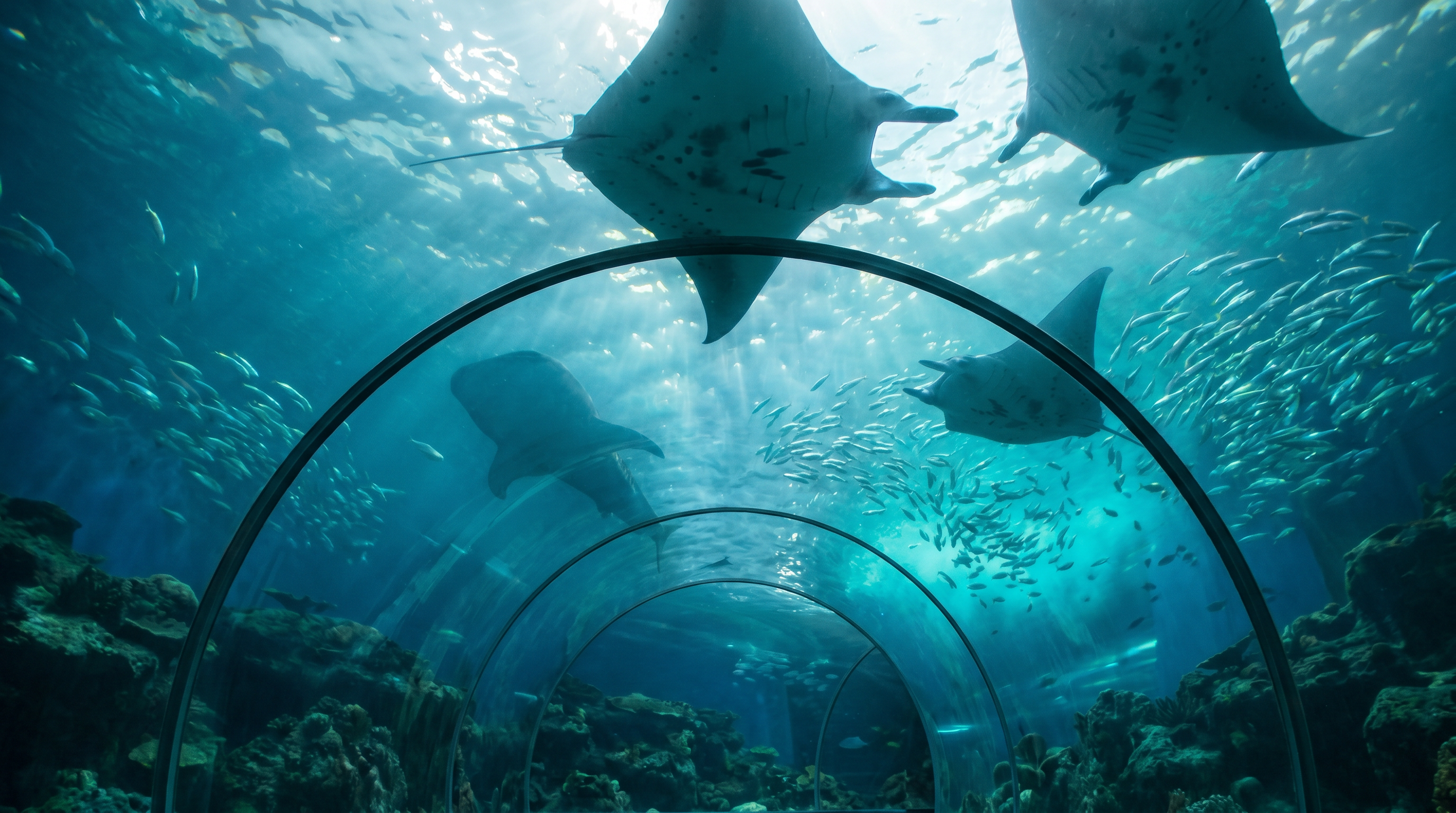
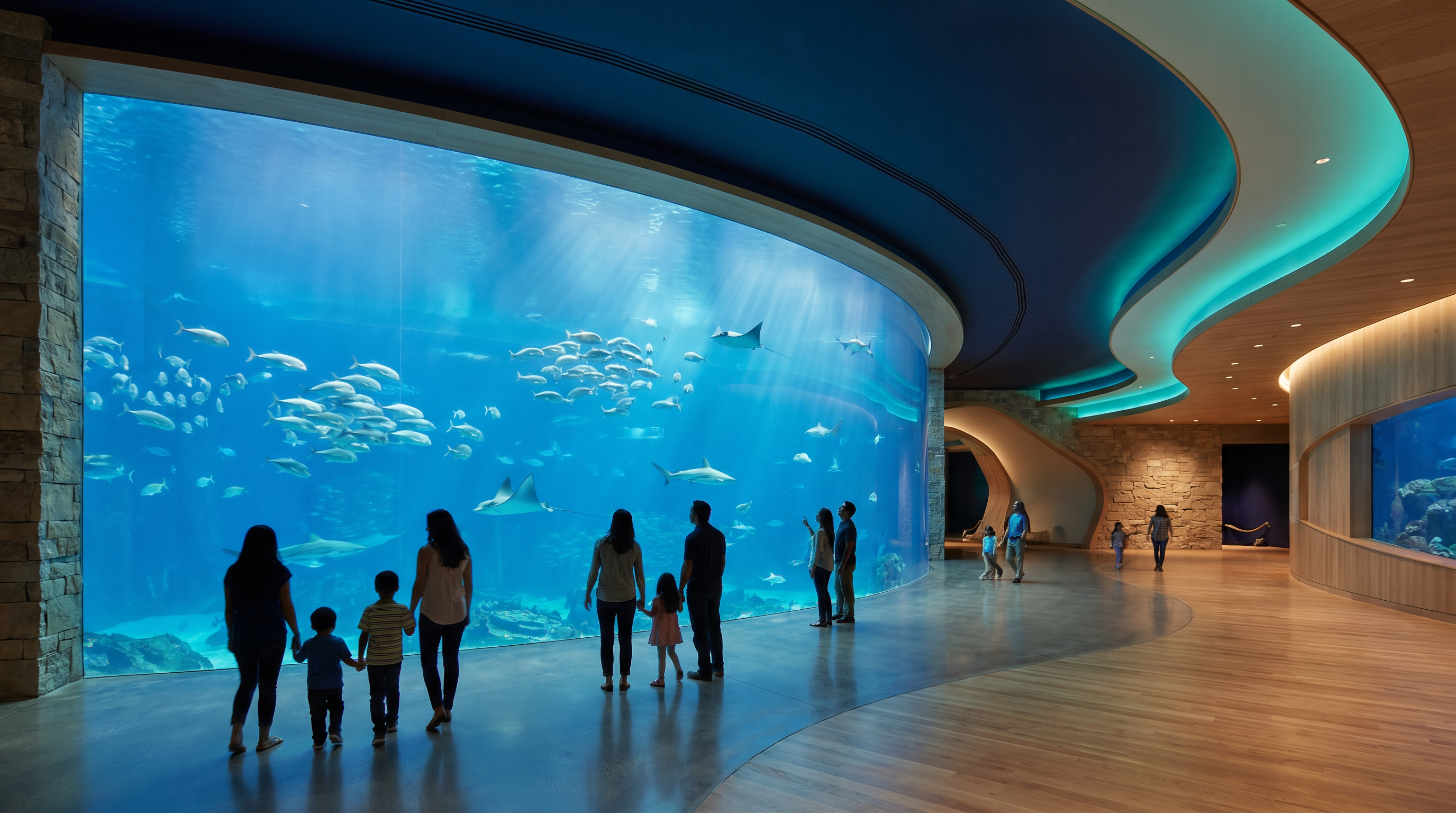
Ocean Voyager exhibit tunnel

Ocean Voyager: Journey Through the Deep

Explore the immense Ocean Voyager exhibit, home to whale sharks, manta rays, and thousands of other marine species...

The undisputed centerpiece of the Georgia Aquarium is the Ocean Voyager exhibit, a colossal habitat designed to replicate the vastness of the open ocean. Holding 6.3 million gallons of saltwater, it is one of the largest indoor aquatic habitats in the world, providing a breathtaking home for some of the ocean's most magnificent creatures. The exhibit was specifically designed to house whale sharks, the largest fish in the world, a feat of engineering and animal husbandry that sets the Georgia Aquarium apart. Visitors can experience Ocean Voyager from multiple perspectives. A massive 100-foot-long acrylic tunnel allows guests to walk directly beneath the marine life, offering an immersive 180-degree view as whale sharks, manta rays, and various species of fish swim overhead. This unique vantage point creates an unforgettable sense of being truly underwater, surrounded by the ocean's giants. Another highlight is the immense viewing window, measuring 23 feet tall and 61 feet wide, which provides an expansive panorama of the entire habitat. Here, visitors can spend hours observing the intricate dance of marine life, from the graceful glide of manta rays to the bustling activity of schools of fish. The sheer scale of the window allows for a sense of connection with the animals, fostering a deeper appreciation for their natural behaviors. Beyond the whale sharks and manta rays, Ocean Voyager is teeming with diverse marine life, including various species of sharks, groupers, barracudas, and countless smaller reef fish. The exhibit is a dynamic ecosystem, constantly changing and offering new discoveries with each visit. It serves not only as a spectacular display but also as a vital research and conservation hub, allowing scientists to study these magnificent animals and contribute to their protection in the wild.
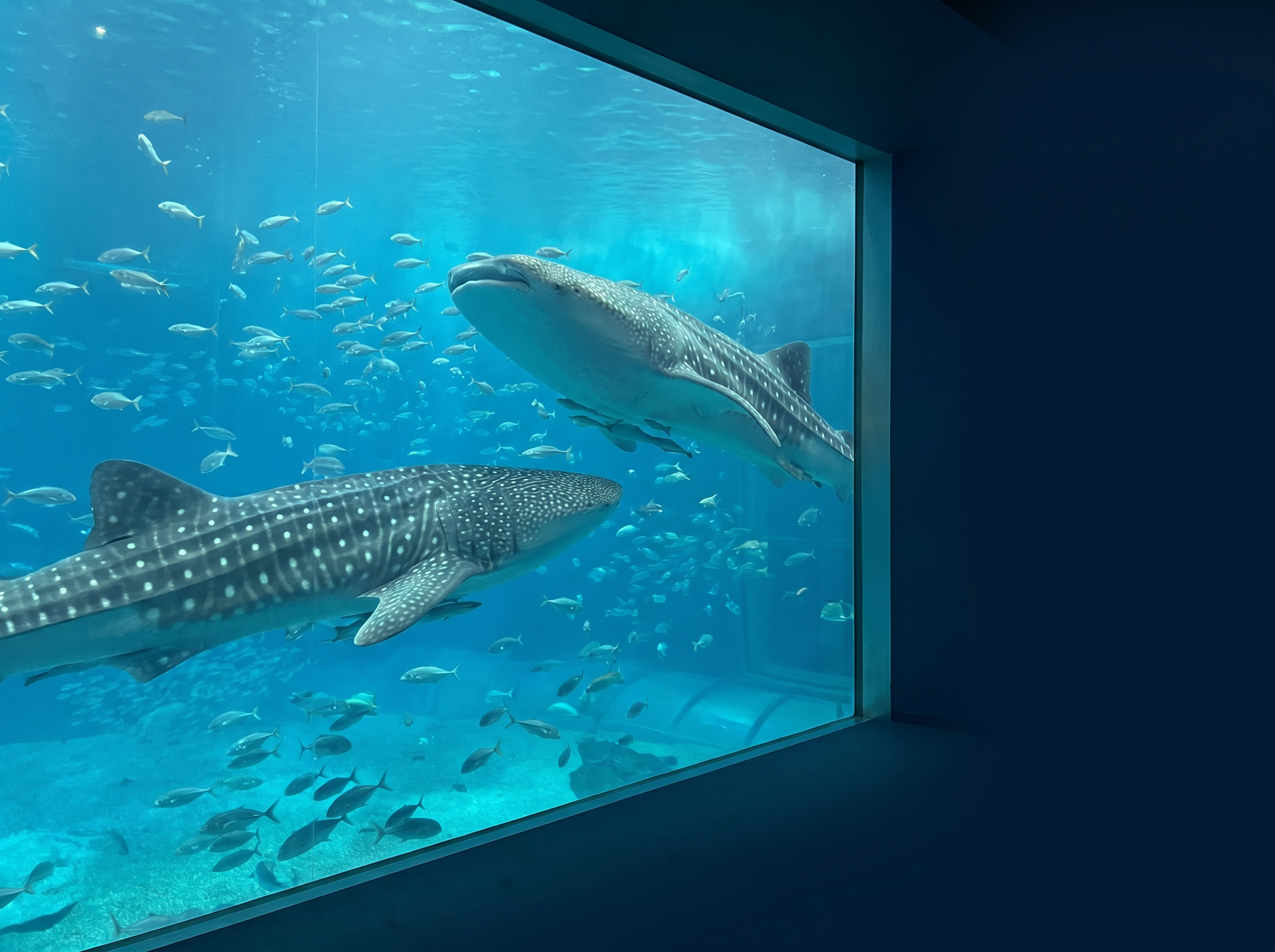
Whale sharks swimming

Gentle Giants: Understanding Georgia Aquarium's Whale Sharks

Learn about the magnificent whale sharks, their biology, and the aquarium's conservation efforts...

The Georgia Aquarium is one of only a handful of institutions outside of Asia that houses whale sharks (Rhincodon typus), the largest fish in the world. These majestic filter feeders can grow up to 60 feet long in the wild, though those at the aquarium are still growing. Their presence at the aquarium is a testament to groundbreaking animal care and a commitment to understanding and protecting this endangered species. Whale sharks are pelagic creatures, meaning they inhabit the open ocean, primarily in tropical and warm-temperate waters. Despite their imposing size, they are gentle giants, feeding almost exclusively on plankton, small fish, and crustaceans by filter-feeding. They are easily recognizable by their distinctive spotted patterns, which are unique to each individual, much like human fingerprints. The aquarium's whale shark program is multifaceted, focusing on research, education, and conservation. Scientists at the Georgia Aquarium study their growth rates, reproductive biology, and migratory patterns, contributing vital data to global conservation efforts. The knowledge gained from observing these animals in a controlled environment helps inform strategies for protecting their wild counterparts, which face threats from fishing, habitat degradation, and vessel strikes. Visitors to the Ocean Voyager exhibit have the unique opportunity to observe these incredible creatures up close. The experience is designed to be educational, with interpretive signage and staff available to share information about whale shark biology and conservation. The aquarium's commitment to the welfare of its whale sharks is paramount, with a dedicated team of aquarists and veterinarians providing round-the-clock care, ensuring their health and well-being. The presence of whale sharks at the Georgia Aquarium serves as a powerful ambassador for ocean conservation, inspiring millions of visitors each year to care about the future of marine life.
Beluga whale swimming

Beluga Whales: Arctic Ambassadors in Atlanta

Discover the charismatic beluga whales, their unique adaptations, and the aquarium's role in their care...

The Georgia Aquarium is home to a pod of beluga whales, charismatic marine mammals known for their distinctive white coloration and expressive foreheads. These Arctic and sub-Arctic inhabitants are a highlight of the Cold Water Quest gallery, offering visitors a rare glimpse into the lives of these fascinating creatures. Belugas are highly social animals, living in pods and communicating through a complex array of clicks, whistles, and calls, earning them the nickname "canaries of the sea." Their unique adaptations to cold water environments include a thick layer of blubber for insulation and a flexible neck that allows them to move their heads in all directions, aiding in navigation and hunting in icy waters. The Georgia Aquarium's beluga habitat is meticulously designed to mimic their natural environment, providing ample space for swimming, diving, and social interaction. The aquarium's animal care team, including veterinarians and marine biologists, provides specialized care, focusing on their physical health, mental stimulation, and overall well-being. This includes a rich diet, regular health checks, and engaging enrichment activities. Beyond their daily care, the Georgia Aquarium is actively involved in beluga whale research and conservation. Studies conducted at the aquarium contribute to a better understanding of beluga biology, reproduction, and health, which is crucial for the conservation of wild populations. Beluga whales face threats such as climate change, habitat loss, and noise pollution, making conservation efforts more critical than ever. Through interactive exhibits and educational programs, the aquarium aims to raise awareness about beluga whales and the challenges they face. Visitors can observe these intelligent animals, learn about their behaviors, and understand the importance of protecting their fragile Arctic ecosystems. The belugas at the Georgia Aquarium serve as powerful ambassadors, inspiring visitors to become advocates for marine conservation and the preservation of these magnificent creatures.
Dolphin show

Dolphin Coast: A Spectacle of Grace and Intelligence

Experience the thrilling Dolphin Coast presentation, showcasing the agility and intelligence of bottlenose dolphins...

The Dolphin Coast gallery at the Georgia Aquarium offers visitors an exhilarating and educational experience, highlighting the incredible athleticism and intelligence of bottlenose dolphins. The centerpiece of this exhibit is a dynamic live presentation that combines impressive acrobatics, synchronized swimming, and engaging storytelling to showcase the natural behaviors of these marine mammals. The Dolphin Coast habitat is a state-of-the-art facility designed to provide a stimulating and enriching environment for the dolphins. It features a large main pool, several smaller holding pools, and an advanced filtration system to maintain optimal water quality. The design allows for both public viewing and behind-the-scenes animal care, ensuring the well-being of the dolphins. During the presentation, trainers work in harmony with the dolphins, demonstrating their agility through high jumps, powerful tail walks, and intricate aerial maneuvers. Beyond the spectacular tricks, the show emphasizes the importance of marine conservation and the unique bond between humans and animals. Educational messages are woven throughout the performance, encouraging audiences to learn about dolphin biology, their natural habitats, and the threats they face in the wild. The Georgia Aquarium is committed to the highest standards of animal welfare for its dolphins. The animals receive daily veterinary care, a balanced diet, and a variety of enrichment activities to keep them physically and mentally stimulated. The trainers, who have years of experience, use positive reinforcement techniques to build strong relationships with the dolphins, fostering trust and cooperation. Visiting Dolphin Coast is more than just watching a show; it's an opportunity to connect with these intelligent creatures and gain a deeper appreciation for their role in the marine ecosystem. The experience aims to inspire visitors, especially younger generations, to become stewards of the ocean and advocates for marine conservation.
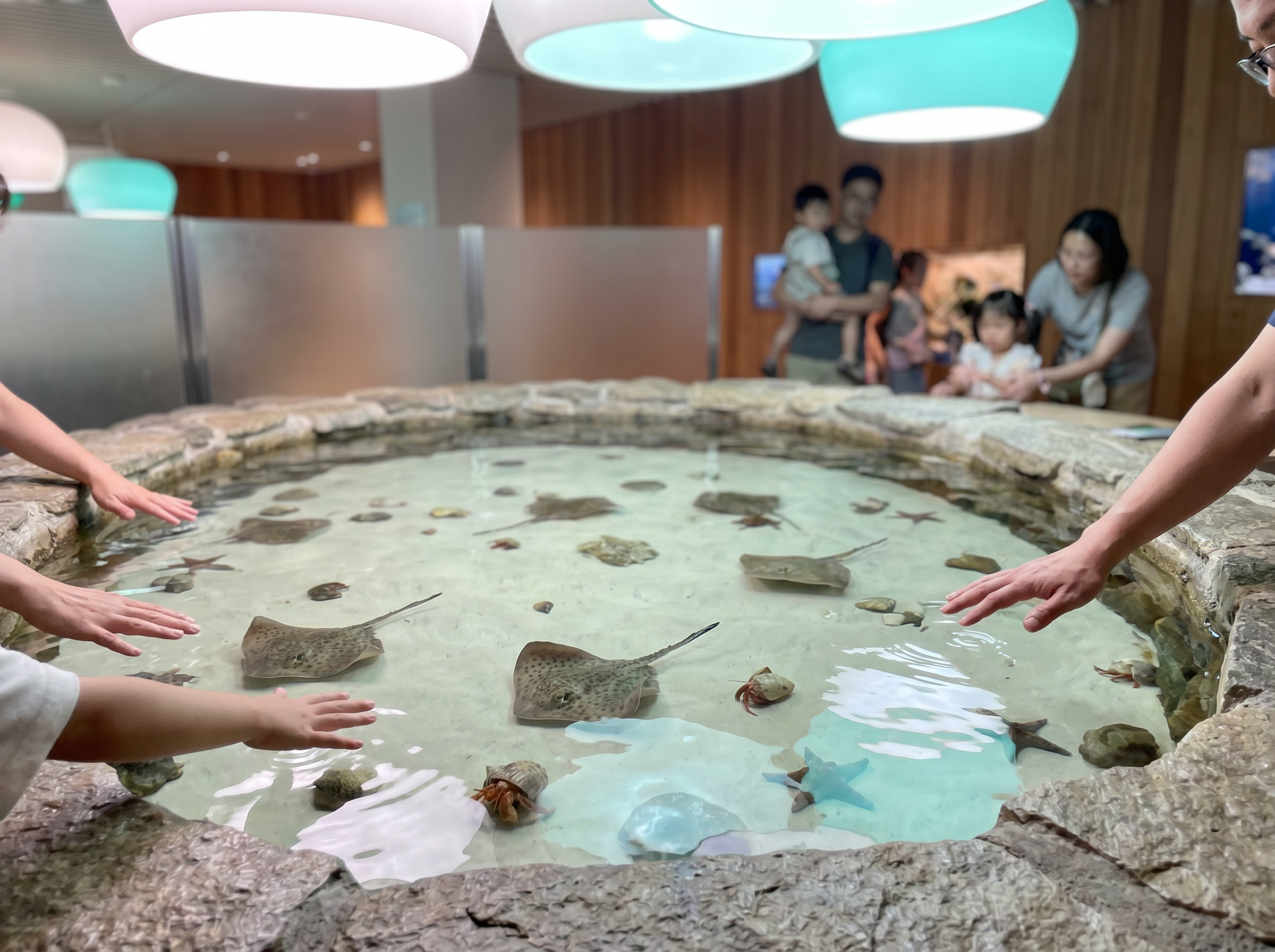
Touch pool experience

Beyond the Glass: Engaging with Touch Pools

Discover the interactive touch pools, offering hands-on encounters with various marine invertebrates and rays...

The Georgia Aquarium offers several interactive touch pools, providing visitors with a unique opportunity to go "beyond the glass" and directly engage with various marine animals. These hands-on experiences are designed to be both educational and memorable, fostering a deeper connection to the aquatic world, especially for younger guests. One of the most popular touch pools features a variety of rays, including cownose rays and southern stingrays. Visitors can gently reach into the shallow water and feel the smooth, velvety skin of these graceful creatures as they glide past. Trained staff members are always on hand to guide interactions, answer questions, and ensure the safety and well-being of both the animals and the visitors. Other touch pools may house a diverse array of marine invertebrates, such as sea stars, hermit crabs, and even small sharks. These exhibits allow guests to explore the textures and forms of creatures they might otherwise only see from a distance. The tactile experience can be particularly impactful, transforming abstract concepts about marine life into tangible, personal encounters. These interactive exhibits are carefully managed to ensure the health and comfort of the animals. Water quality is constantly monitored, and animals are given regular breaks from interaction. The focus is on respectful engagement, teaching visitors how to interact gently and responsibly with marine life. This approach aligns with the aquarium's broader mission of conservation, emphasizing that understanding and respect are the first steps toward protection. The touch pools are more than just fun; they are powerful educational tools. By allowing visitors to physically connect with marine animals, the aquarium helps to break down barriers and build empathy. These experiences can spark curiosity, encourage scientific inquiry, and inspire a lifelong appreciation for the ocean and its inhabitants.
Behind-the-scenes tour

Behind-the-Scenes: Unveiling the Aquarium’s Inner Workings

Take a guided tour to explore the complex systems and dedicated care that keep the Georgia Aquarium thriving...

For those curious about the intricate operations that sustain a world-class marine institution, the Georgia Aquarium offers exclusive behind-the-scenes tours. These guided experiences provide a fascinating glimpse into the complex systems, dedicated staff, and cutting-edge technology required to care for tens of thousands of animals and maintain millions of gallons of water. Tours typically include visits to areas not accessible to the general public, such as the filtration systems, food preparation kitchens, and animal quarantine facilities. Guests can see firsthand the massive pumps, pipes, and biological filters that keep the water pristine and healthy for all inhabitants. The scale of these operations is often surprising, highlighting the immense logistical challenge of running such a large aquarium. One of the most engaging aspects of a behind-the-scenes tour is the opportunity to meet the aquarists, veterinarians, and marine biologists who dedicate their lives to animal care. These experts share insights into the daily routines, specialized diets, and medical treatments provided to the animals. Visitors can learn about the behavioral enrichment programs designed to keep the animals mentally stimulated and physically active. The tours also shed light on the aquarium's extensive research and conservation initiatives. Guests might see laboratories where scientists study marine biology, or learn about the breeding programs for endangered species. This direct exposure to the scientific and conservation work underscores the aquarium's mission beyond entertainment. Behind-the-scenes tours are an excellent way to deepen one's understanding and appreciation for the Georgia Aquarium. They reveal the immense effort, expertise, and passion that go into creating and maintaining such a vibrant aquatic environment. It's an eye-opening experience that transforms a casual visit into a more informed and inspiring journey into the world of marine science and conservation.
Aquarium visitors

Maximizing Your Visit: Essential Tips for the Georgia Aquarium

Get insider tips on planning your day, avoiding crowds, and making the most of every exhibit and show...

To ensure a smooth and enjoyable experience at the Georgia Aquarium, a little planning goes a long way. As one of Atlanta's most popular attractions, it can get crowded, especially during peak seasons and holidays. Here are some essential tips to help you maximize your visit. **Best Times to Visit:** Weekdays, particularly Tuesday through Thursday, are generally less crowded than weekends. Arriving right at opening (9 AM) or later in the afternoon (after 2 PM) can help you avoid the largest crowds. Check the aquarium's official website for their daily schedule and expected crowd levels. **Tickets and Entry:** Purchase your tickets online in advance to save time and often money. This allows you to bypass ticket lines and proceed directly to the entrance. Consider combo tickets if you plan to visit other nearby attractions like the World of Coca-Cola or Centennial Olympic Park. **Navigating the Aquarium:** The aquarium is vast, so wear comfortable shoes. Grab a map upon entry or download the official app, which often includes interactive maps, show schedules, and real-time updates. Prioritize the exhibits you most want to see, especially popular ones like Ocean Voyager and Cold Water Quest, and consider visiting them earlier in your trip. **Shows and Presentations:** Don't miss the dolphin and sea lion presentations. Check the schedule upon arrival and plan to arrive at least 20-30 minutes early to secure good seats, as they fill up quickly. These shows are both entertaining and educational. **Dining and Amenities:** The aquarium offers several dining options, but they can be pricey and crowded. Consider packing snacks or a picnic to enjoy in Centennial Olympic Park nearby. Lockers are available for rent if you need to store personal items. **Accessibility:** The Georgia Aquarium is fully accessible, with ramps and elevators throughout. Wheelchairs and strollers are available for rent. Review their accessibility guide on the official website if you have specific needs. **Photography:** Photography is generally allowed, but flash photography is often prohibited to protect the animals. Be mindful of other visitors and avoid blocking views.
Atlanta skyline

Beyond the Aquarium: Exploring Downtown Atlanta

Discover other major attractions within walking distance of the Georgia Aquarium, perfect for a full day of exploration...

The Georgia Aquarium is strategically located in downtown Atlanta, making it an ideal starting point for exploring several other world-class attractions within easy walking distance. Planning a multi-attraction day can enhance your visit to the city. **Centennial Olympic Park:** Right next door to the aquarium, this 21-acre urban park was built for the 1996 Summer Olympics. It's a beautiful green space perfect for relaxing, picnicking, or letting children play in the Fountain of Rings. The park also hosts various events and concerts throughout the year. **World of Coca-Cola:** Directly across from the aquarium, this popular museum celebrates the history and global impact of The Coca-Cola Company. Visitors can explore exhibits, see the vault where the secret formula is kept, and taste over 100 different beverages from around the world. Combo tickets with the Georgia Aquarium are often available. **Center for Civil and Human Rights:** A powerful and moving museum dedicated to the achievements of the American Civil Rights Movement and the broader global human rights struggle. It features interactive exhibits and historical artifacts that offer a profound educational experience. **Imagine It! The Children's Museum of Atlanta:** Located a short walk away, this museum offers hands-on exhibits and programs designed for children aged 0-8, focusing on early learning and imaginative play. It's a great option for families with very young children. **Mercedes-Benz Stadium:** Home to the Atlanta Falcons (NFL) and Atlanta United FC (MLS), this iconic stadium is a marvel of modern architecture. While a bit further than the other attractions, it's still accessible and offers tours on non-event days. **CNN Center:** The global headquarters of CNN offers studio tours where visitors can get a behind-the-scenes look at how news is produced and broadcast. It's an interesting stop for media enthusiasts. With so many attractions concentrated in one area, downtown Atlanta provides a rich tapestry of experiences for visitors of all ages and interests, making it easy to combine a trip to the Georgia Aquarium with other memorable adventures.
Atlanta dining

Dining Near the Georgia Aquarium: A Culinary Guide

Explore diverse dining options ranging from casual bites to upscale restaurants within walking distance of the aquarium...

After a day of exploring the wonders of the Georgia Aquarium, visitors will find a wide array of dining options to satisfy every palate and budget, all within easy reach. Downtown Atlanta offers everything from quick-service cafes to upscale culinary experiences. **Within the Aquarium:** The Georgia Aquarium itself provides several dining choices, including the Cafe Aquaria, which offers a variety of hot and cold meals, snacks, and beverages. There are also smaller kiosks and snack bars located throughout the facility. While convenient, these options can be crowded and slightly more expensive. **Pemberton Place:** Located directly between the Georgia Aquarium and the World of Coca-Cola, Pemberton Place often hosts food trucks and casual eateries, especially during peak visitor times. It's a great spot for a quick and diverse meal in an open-air setting. **Centennial Olympic Park Area:** The area surrounding Centennial Olympic Park is dotted with numerous restaurants. Options range from family-friendly chains to local Atlanta favorites. Look for places offering American cuisine, Southern comfort food, and international flavors. **Luckie Marietta District:** Just a short walk from the aquarium, this vibrant district is known for its diverse restaurant scene. You'll find steakhouses, gastropubs, Italian restaurants, and more. It's a good choice for those looking for a sit-down meal or a more upscale dining experience. **CNN Center:** The CNN Center food court offers a wide selection of fast-casual options, making it a convenient and affordable choice for families or those looking for a quick bite. You can find everything from sandwiches and salads to pizza and Asian cuisine. **Sweet Auburn Curb Market:** For a more authentic local experience, consider a slightly longer walk or a short ride to the Sweet Auburn Curb Market. This historic public market features a variety of food stalls offering diverse cuisines, fresh produce, and baked goods. Whether you're craving a gourmet meal or a quick snack, the area around the Georgia Aquarium provides ample choices to refuel and relax after your aquatic adventure.

Visitor Tips & Practical Advice

Make the most of your Georgia Aquarium adventure with these insider recommendations.

Buy Tickets Online

Purchase your tickets in advance on the official website to save time and often money. This helps avoid long queues at the entrance.

Arrive Early or Late

The aquarium is busiest midday. Arrive right at opening (9 AM) or after 2 PM for fewer crowds and a more relaxed experience.

Plan Your Route

The aquarium is vast. Use a map or the official app to prioritize must-see exhibits and shows, especially Ocean Voyager and the dolphin presentation.

Photography Tips

Flash photography is generally prohibited. Use a high ISO setting and steady hands for best results in low-light exhibits.

Explore Nearby Attractions

The aquarium is next to Centennial Olympic Park, World of Coca-Cola, and the Center for Civil and Human Rights. Plan a combo visit!

Consider Dining Options

Aquarium dining can be crowded. Explore diverse restaurants in the surrounding downtown Atlanta area for more choices.

Seasonal Guide: Best Times to Visit

Every season offers a unique experience at the Georgia Aquarium. Plan your visit for optimal enjoyment.

Spring (March - May)

Mild weather, fewer crowds before summer, and blooming flowers in Centennial Olympic Park make spring a pleasant time to visit. Ideal for school groups.

Summer (June - August)

Peak season with all exhibits and shows running. Expect larger crowds and plan to arrive early. Great for families on summer vacation.

Autumn (September - November)

Pleasant temperatures and decreasing crowds after Labor Day. Enjoy fall festivals in Atlanta. A good balance of weather and crowd levels.

Winter (December - February)

Fewer crowds, especially in January and February, make for a more intimate experience. Enjoy holiday decorations in December. Indoor activities are perfect for colder days.

Get Your Free Georgia Aquarium Visitor Guide

Subscribe to receive our comprehensive visitor guide, seasonal updates, and insider tips for your trip to Atlanta.

Thank You!

Your free Georgia Aquarium Visitor Guide is on its way to your inbox.

Frequently Asked Questions

Answers to the most common questions about visiting the Georgia Aquarium.

Operating hours vary by season and day of the week. It's best to check the official Georgia Aquarium website for the most up-to-date schedule before your visit. Generally, the aquarium opens at 9 AM and closes between 5 PM and 9 PM.
Admission prices vary based on age, time of visit, and whether you purchase tickets online or at the gate. Online purchases often offer discounts. The Georgia Aquarium Guide does not sell tickets, but we recommend checking the official Georgia Aquarium website for current pricing and special offers.
Absolutely! The Georgia Aquarium is designed to be family-friendly with numerous exhibits and interactive areas that appeal to all ages. Children particularly enjoy the touch pools, the Ocean Voyager tunnel, and the dolphin and sea lion presentations. Stroller rentals are available.
While all exhibits are fantastic, must-sees include Ocean Voyager (for whale sharks and manta rays), Cold Water Quest (for beluga whales and sea otters), Tropical Diver (for vibrant coral reefs), and the new Sharks! Predators of the Deep. Don't forget to catch a dolphin or sea lion show!
Yes, the Georgia Aquarium has several dining options, including Cafe Aquaria and various snack kiosks. You can also find numerous restaurants and food trucks in the surrounding downtown Atlanta area, including at Pemberton Place and the CNN Center.
No. The Georgia Aquarium Guide is an independent travel publication providing informational content and tips for visitors. We are not affiliated with, endorsed by, or sponsored by the Georgia Aquarium or any of its partners. We do not sell tickets or merchandise.